
Paediatric Speech Pathology services in the City of Boroondara and surrounding Melbourne suburbs.
Supporting children through neuroaffirming, evidence-based and family-centred care.
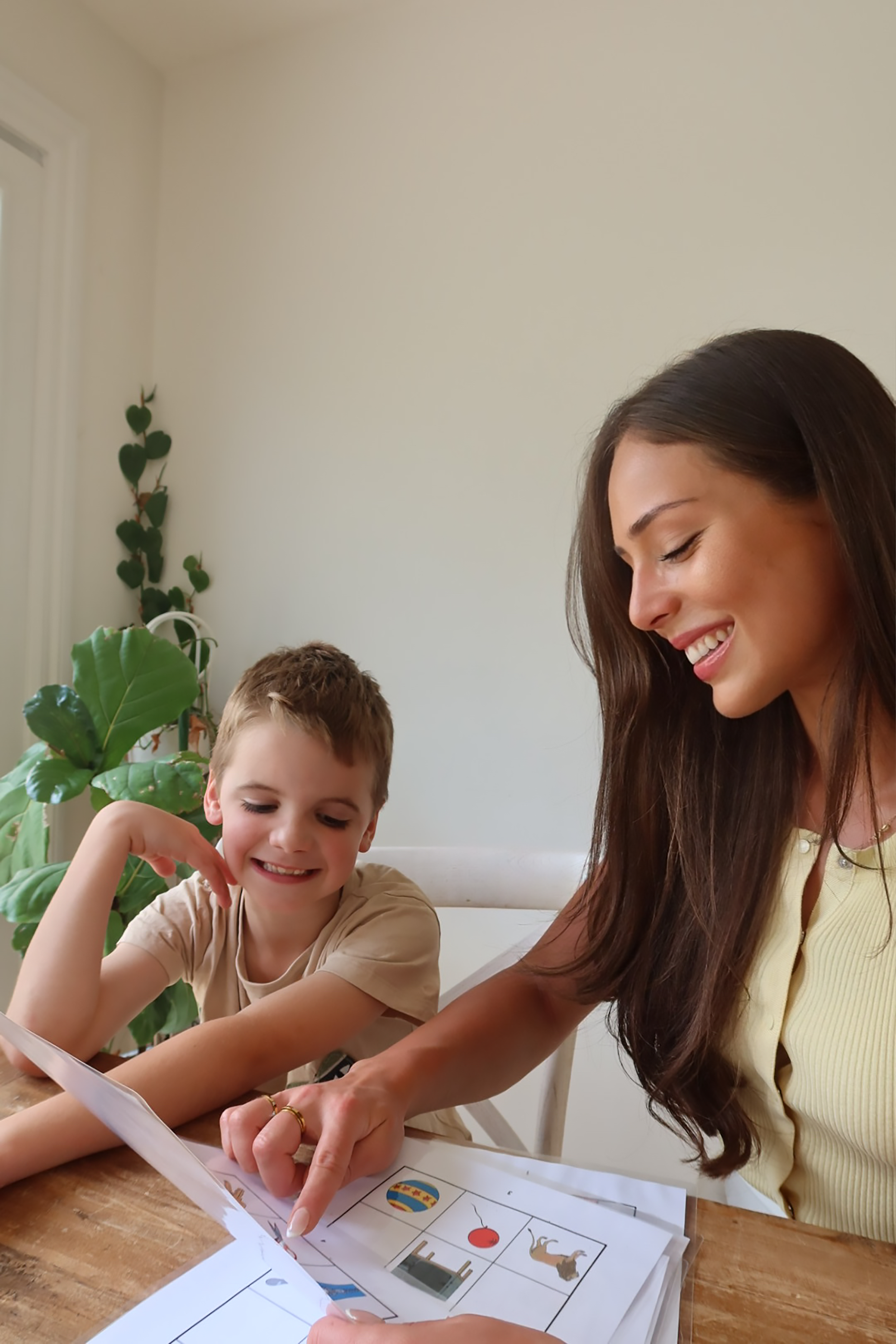

Paediatric Speech Pathology services in the City of Boroondara and surrounding Melbourne suburbs.
Now accepting new referrals and clients!
Supporting children through neuroaffirming, evidence-based and family-centred care.
Supporting children through neuroaffirming, evidence-based and family-centred care.

Welcome.
Words in Bloom Speech Pathology offers paediatric speech pathology services for children of all ages. Our mobile and Telehealth service model allows therapy to occur in environments where children learn and grow best, whether that’s at home, in educational settings, or online.
By working within children’s everyday routines, we create meaningful opportunities for real-world learning and generalisation. We collaborate closely with caregivers, educators, and allied health professionals to ensure that support is coordinated, consistent, and impactful.

Who we work with.
We provide speech pathology support for children of all ages across a wide range of communication needs, working in partnership with:
-
We partner with families to understand each child’s strengths, goals and everyday routines. Support is collaborative and practical, with strategies designed to carry over into daily life.
-
We work alongside early learning settings (e.g., kindergarten, childcare, etc.) to support children within their learning environments. This may include observations, screening, consultation, and tailored support for educators.
-
We work in partnership with schools to support accessible learning environments using a tiered model of intervention:
Tier 1: Universal strategies and high-quality instruction delivered to the whole class or cohort.
Tier 2: Targeted small group intervention for students who would benefit from additional support.
Tier 3: Specialist planned support, often 1:1 or in groups of three or less.
Support is delivered through on-site visits, observations, and consultation with teachers and support staff.
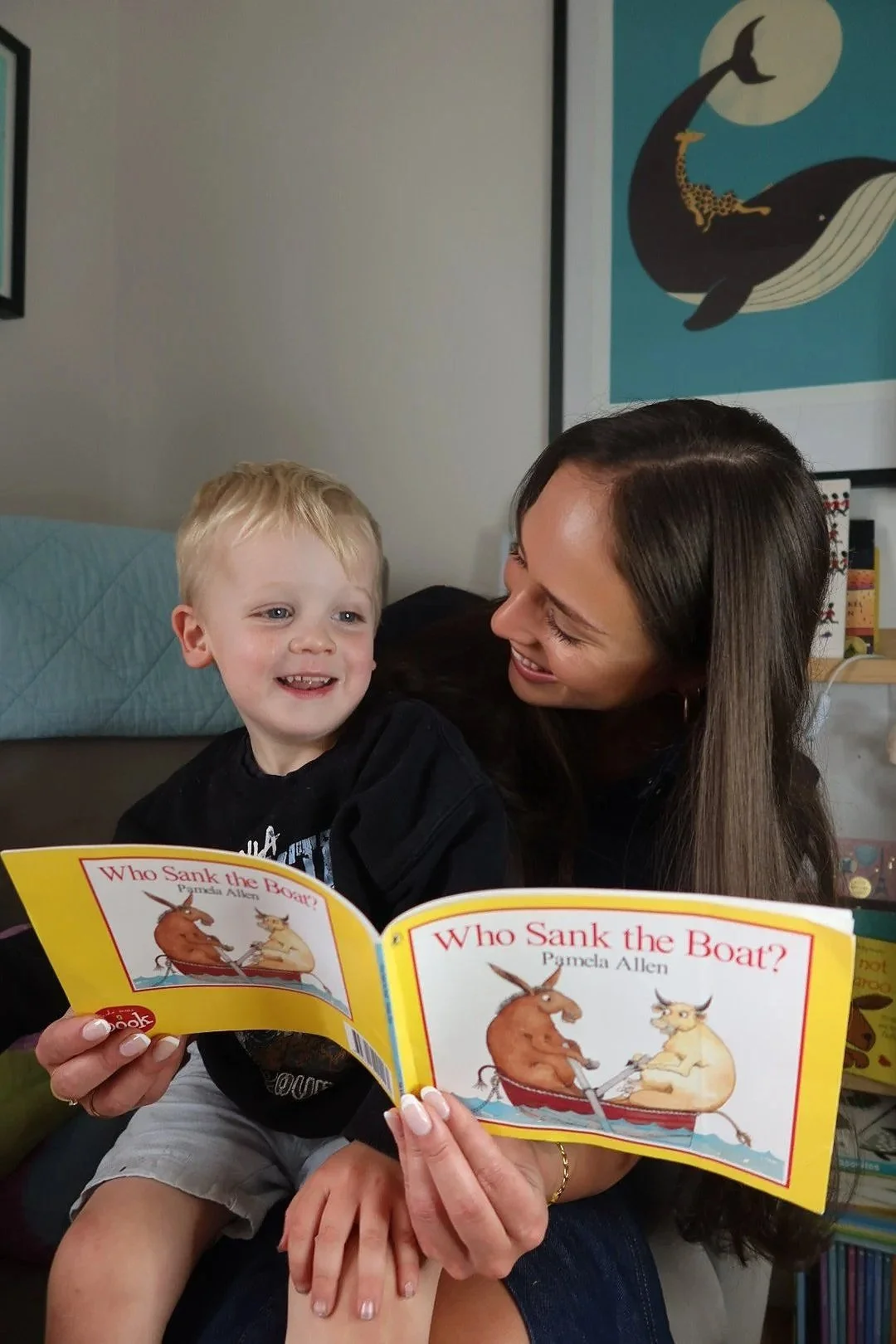
Our services.
Assessment, Screening & Therapy Services
-
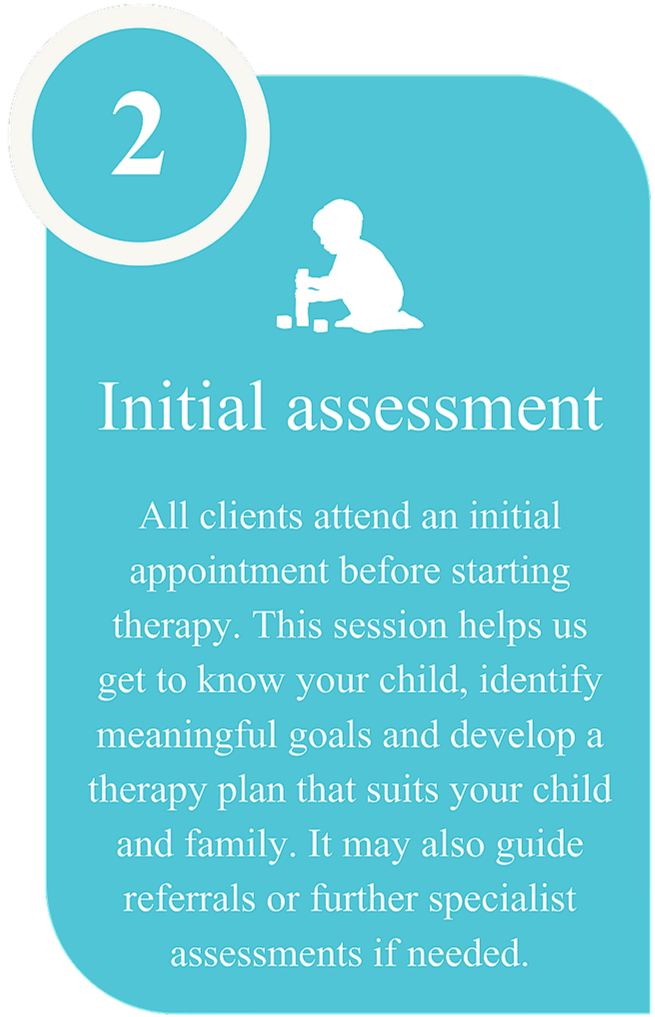
All children/new clients attend an initial assessment before commencing therapy. This session allows us to get to know your child, understand their strengths and needs through screeners, and work with you to identify meaningful goals. Following the assessment, we develop an individualised therapy plan that fits the child and family. Where appropriate, recommendations for additional supports or referrals may be provided. A summary report is also included.
-
Standardised assessments may be recommended to support funding applications, diagnostic processes or detailed intervention planning. These assessments are selected carefully based on your child’s profile and the reason for referral. They may be requested by families, educators or other professionals and include a comprehensive written report.
-
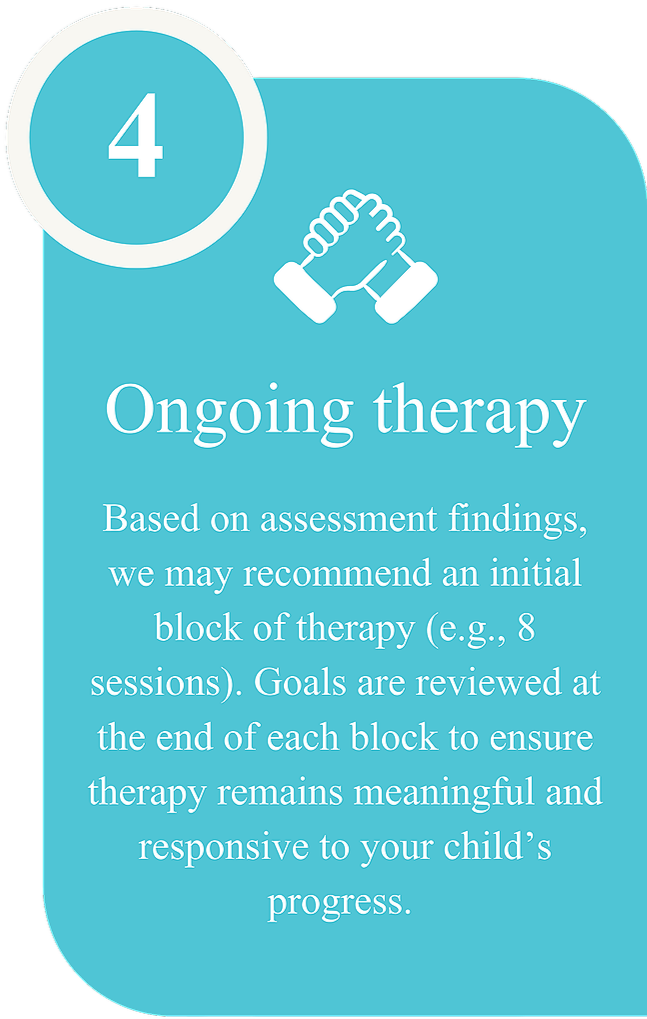
Therapy is tailored to each child’s goals, interests and support needs. Sessions are typically individual and delivered face-to-face (45 minutes), with indirect time (15 minutes) allocated to planning, goal tracking and documentation. Each therapy block focuses on building functional communication skills in a way that feels supportive, engaging and achievable for your child and family. Home practice ideas and key discussion points are shared to support carryover between sessions.
Additional Services
-
Short, low-cost sessions (30 minutes) designed to explore whether a full assessment is needed. These appointments provide families with guidance and reassurance.
-
We value collaboration and are available to attend meetings such as school planning meetings, transition meetings or multidisciplinary case discussions to support consistency across environments.
-
Assessment reports are included as part of the assessment process. Additional documentation, such as therapy summaries, progress updates or handover reports and letters, can be provided on request.
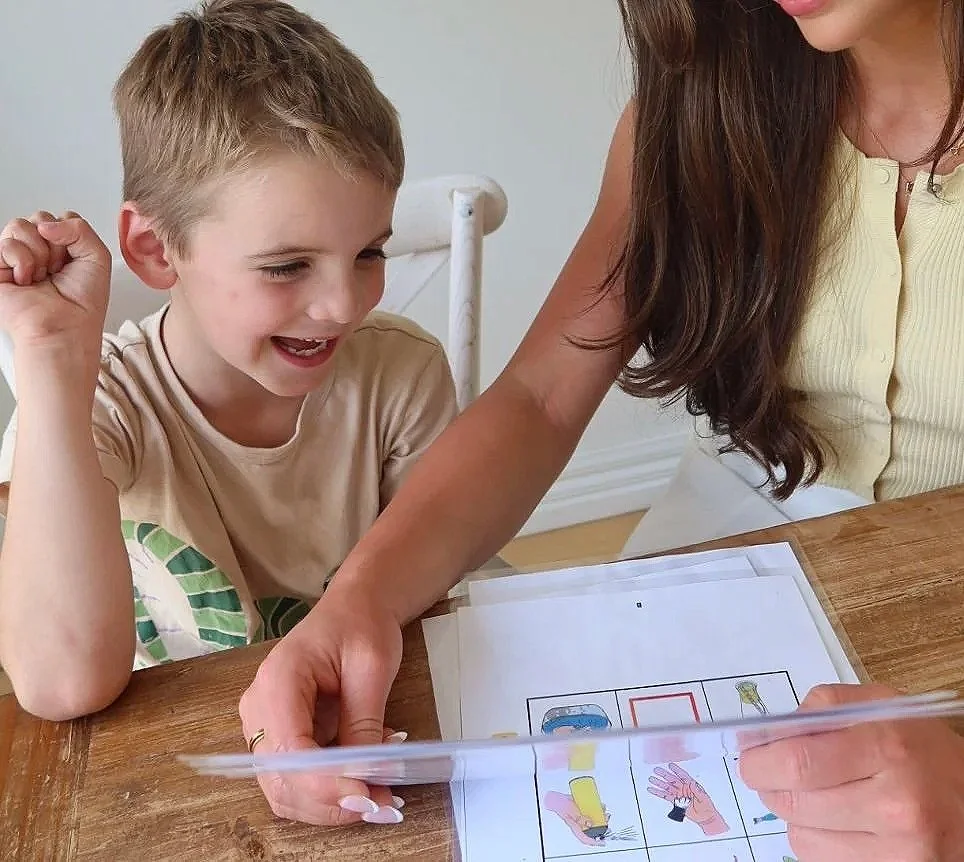
Our areas of practice.
-
How clearly a child pronounces sounds and words (e.g., “sun” → “thun”, “rabbit” → “wabbit”, “spoon” → “poon”). Difficulties in this area can make it hard for others to understand them.
-
A child’s ability to understand language (receptive) and use language (expressive) to share their thoughts, needs and ideas. This may include following instructions, learning new vocabulary, asking questions, forming sentences and engaging in conversations.
-
Some children communicate differently or take longer to use spoken words. We support early communication by building strong foundations for connection, shared attention and expression using play-based, neuroaffirming approaches. This may include gestures, visuals, Key Word Sign, or AAC, alongside family strategies to support communication at home.
-
The ability to use language, gestures, facial expressions and tone to connect and interact with others. This may include supporting communication, self-advocacy, and confidence; helping children express their needs and boundaries; building problem-solving and perspective-taking skills; and supporting families and key supports to understand and respond to different communication styles, including Autistic styles of communicating.
-
How smoothly a child speaks. Stuttering may include repeating sounds or words (e.g. “b-b-ball”), stretching sounds (e.g. “ssssun”), or blocking/getting stuck before a word comes out.
-
Skills related to reading, spelling, and writing. We can support children to develop strong foundations for reading and writing using structured, phonics-based approaches. Therapy focuses on sound-letter knowledge, decoding skills and building confidence with literacy tasks to support positive, long-term engagement with learning.
-
Children who experience voice difficulties such as hoarseness, strain or challenges with pitch or loudness. Therapy focuses on healthy voice use through practical, child-friendly strategies and may involve collaboration with ENT specialists when appropriate.
-
Using other ways to communicate beyond speech, such as signs, visuals, communication boards or devices. These approaches may support children with minimal or emerging spoken language to promote effective communication across home, school and community settings.
-
We support children with non-complex feeding challenges. This can include picky eaters and problem feeders.
Does my child need feeding therapy?
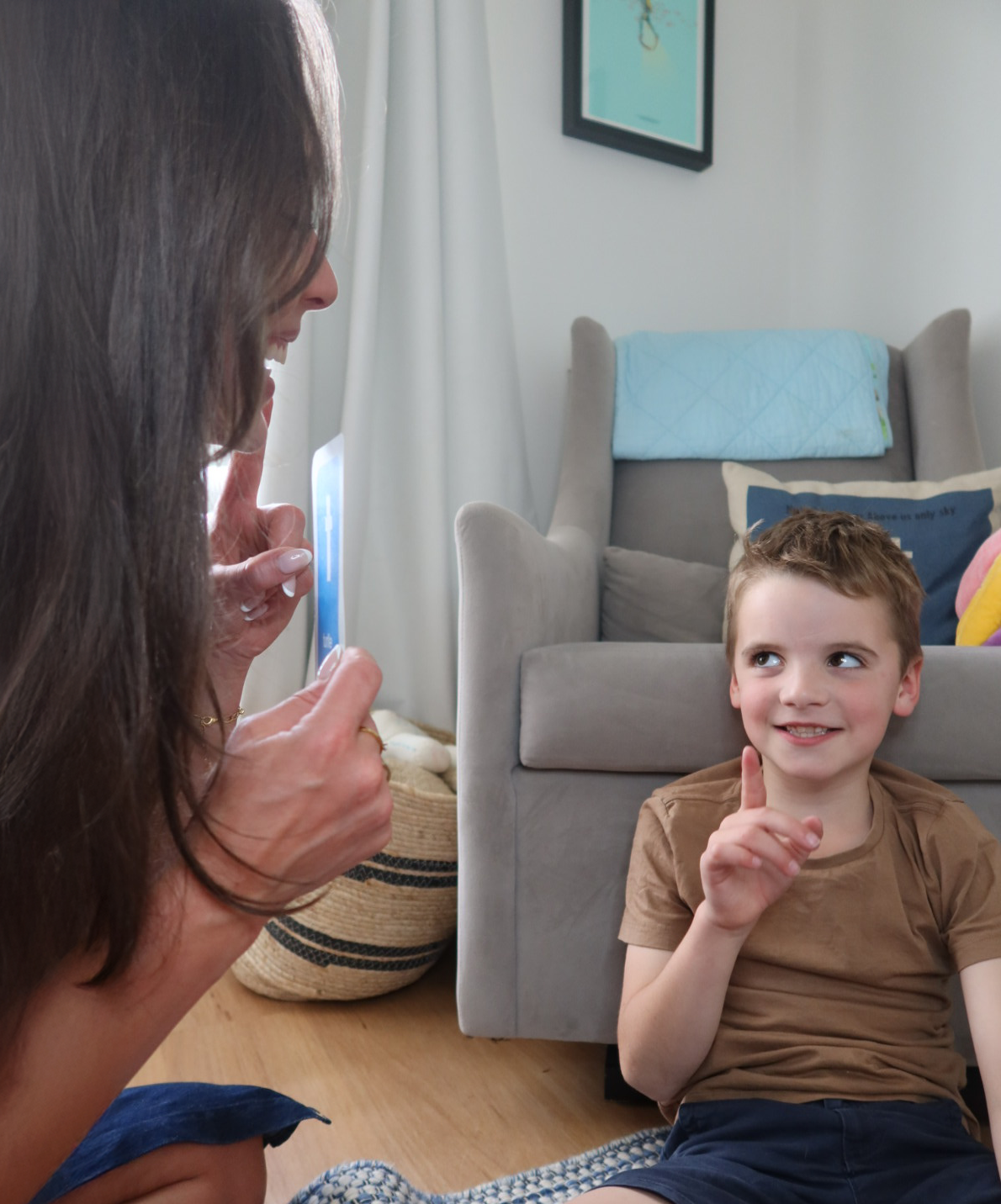
A trusted partner in children’s growth.
At Words in Bloom Speech Pathology, children and the key people in their lives, are at the centre of everything we do. Our support is:
-
We partner with parents and carers, valuing your knowledge, priorities and goals.
-
We respect neurodiversity and follow each child’s interests to support meaningful learning.
-
Support is tailored to each child’s unique strengths, needs and communication goals.
-
We honour each child and family’s culture, language and lived experience.
-
Our practice is guided by current research and best-practice frameworks.
-
We truly care about each child’s wellbeing, confidence and long-term growth.
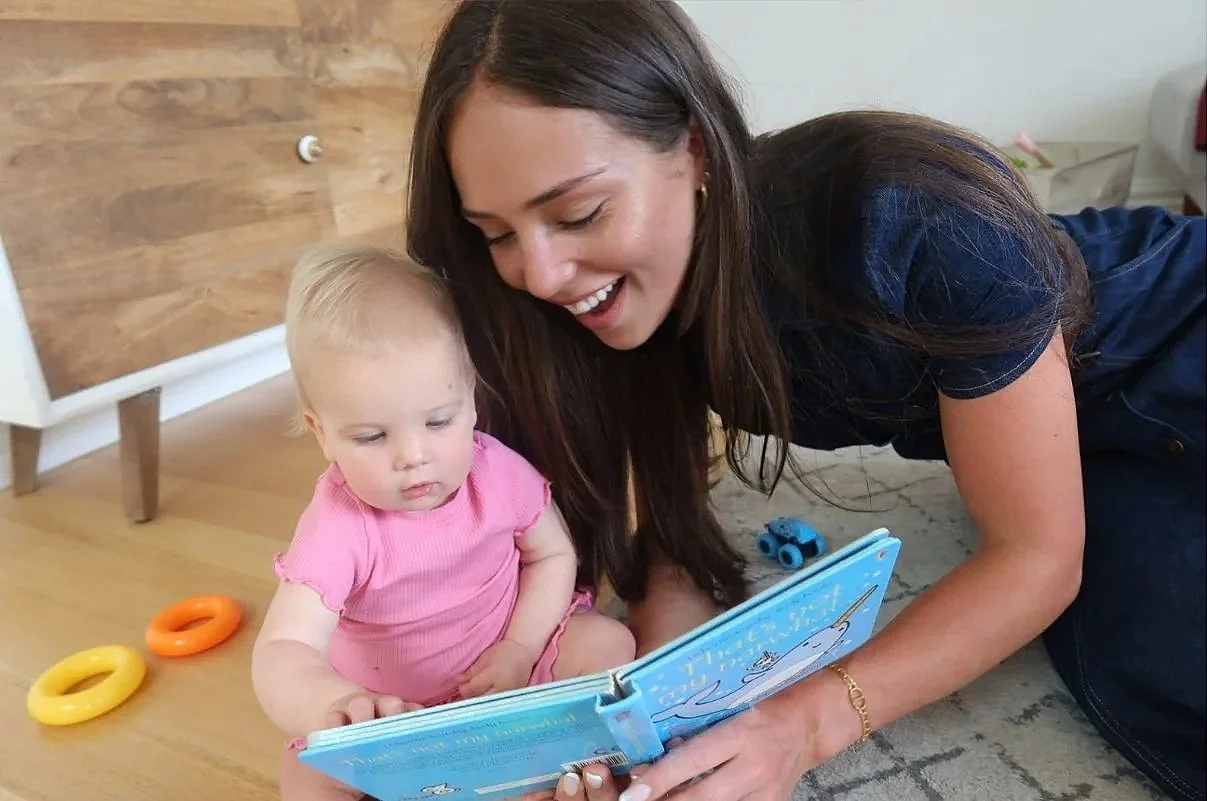
Start your journey today.
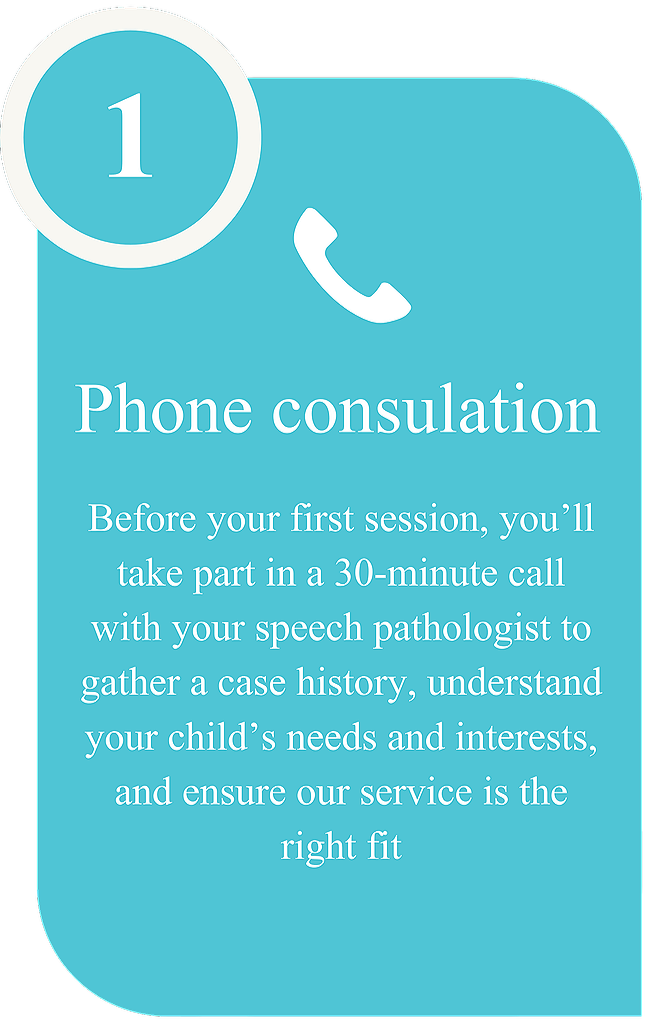
We make the first steps easy. Here’s how we guide you through our new client process.
Serving the City of Boroondara & surrounding suburbs.
Monday-Friday: 9:00am - 6:00pm
Email: info@wordsinbloom.com.au
Phone: 0481 298 007